The Evolving Social Contract of the Workplace
Why your meeting rooms — and the intelligence behind them — must rise to meet modern expectations.
Speak to a specialist today:
Email: rob@meetingroom.technology
Call: +44 7501 234950
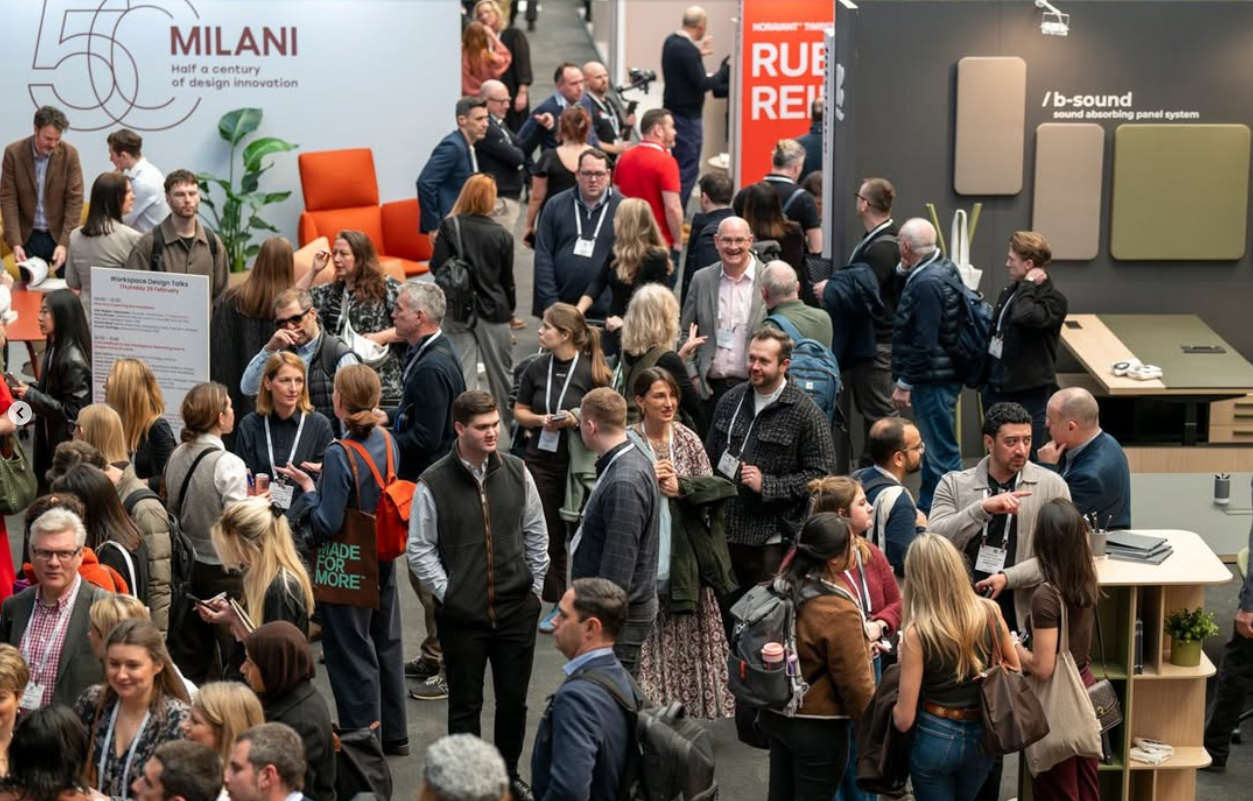
Workplace design is undergoing one of the most significant shifts in decades. At this year’s Workplace Design Show, one theme stood above all others: people no longer accept generic workplaces. They want environments that earn the commute, support their best selves, and help them operate as part of a collective with shared purpose.
Organisations, meanwhile, face the challenge of balancing cost pressures, productivity expectations, hybrid complexity, and the ongoing need to build culture. Increasingly, technology — especially meeting room and workplace intelligence — has become the foundation that holds this new social contract together.
This page explores key themes shaping today’s workplace, and introduces solutions from Huddly, Neat, Maxhub — and now, Sony Nimway — that help create workplaces where teams genuinely thrive.
1. The New Workplace Social Contract: Community, Trust and Shared Purpose
The workplace is no longer defined purely by its physical layout — it is a social contract built on human connection.
People now come to the office for:
- Serendipitous interactions
- A shared sense of purpose
- Mutual accountability
- A community that lifts them beyond the individual self
Employees want environments tailored to how they work. Flexibility, personalisation, and meaningful interaction now define the value of the workplace.
Want to create workplaces people choose to come to?
Email us today
2. Why People Still Come to the Office: Belonging, Networks and Access
People return to the office because it provides networks they cannot access at home — the hum of activity, chance encounters, quick problem‑solving moments, and access to shared tools.
But hybrid patterns fluctuate. Some days are vibrant; others are quiet. Meeting rooms and shared spaces must therefore support equitable collaboration regardless of who is physically present.
3. Designing for the Next 4–5 Years: Human‑Centred Hybrid Spaces
Hybrid work isn’t temporary — it is now a core operating model. Organisations must design spaces with the next 4–5 years in mind, ensuring they have:
- High‑quality amenities
- Psychological safety
- Frictionless technology
- Spaces that genuinely “earn” the commute
Meeting room technology is one of the most powerful enablers of this experience, allowing teams to collaborate without barriers or distractions.
4. The Hybrid Challenge: Expectations vs Reality
Hybrid introduces new operational pressures: inconsistent attendance patterns, demand for more meeting equity, and higher expectations for seamless digital collaboration.
Productivity today is measured by impact, not presence — and meeting room performance is central to that impact.
5. How Meeting Room Technology Supports the Modern Workplace
To build high‑performance collaboration spaces, organisations need solutions that offer:
- Consistent and natural audio/video
- Simple operation across all room types
- Scalable, modular architectures
- AI‑driven automation
- Equity between in‑room and remote participants
Huddly — Multi‑Camera Intelligence
Huddly’s AI‑directed multi‑camera solutions, such as Huddly Crew, deliver natural, inclusive hybrid experiences by capturing non‑verbal cues and dynamically adjusting framing in real time.
Neat — Human‑Centred Collaboration Devices
Neat devices offer beautifully simple, purpose‑built hardware with intelligent framing, reliable audio, and effortless BYOD support — giving teams a frictionless meeting experience.
Maxhub — Scalable Teams Rooms Ecosystems
Maxhub provides all‑in‑one displays, Teams Rooms systems, and enterprise‑grade video bars that make it easy to standardise meeting technology across an entire workplace portfolio.
6. Sony Nimway — The Intelligence Layer Behind the Workplace
While Huddly, Neat and Maxhub elevate collaboration quality inside meetings, Sony Nimway elevates everything around them — giving organisations the data intelligence needed to design, plan, and continually improve their workplaces.
The Power of Nimway Analytics
Nimway is far more than a booking system or wayfinding tool. Its real value lies in its analytics and reporting platform, which gives organisations a precise, factual understanding of how their workplace is truly being used — not how people *think* it is being used.
- Desk and room occupancy analytics
- People‑flow and movement insights
- Bookings vs actual usage
- Identification of unused, overused, and mis‑sized spaces
- Evidence‑based heatmaps showing spatial behaviour
These insights empower workplace, FM and real estate teams to make informed decisions that are backed by data — not guesswork.
Why Analytics Matter
Organisations often make costly decisions about refurbishment, expansion, downsizing, or redesign without ever truly knowing how their space is being used. Nimway solves this by giving leaders:
- A single source of truth about occupancy
- Evidence for business cases and investment decisions
- Long‑term trends that highlight changing behaviours
- Clarity on which rooms work, which don’t, and why
When you genuinely understand how your spaces perform, you can build a workplace strategy that is aligned with reality — and maximise the value of every square metre.
Nimway + Meeting Rooms
Nimway complements Huddly, Neat and Maxhub perfectly. While they improve the meeting experience, Nimway ensures the room itself is the right size, in the right place, and used in the right way.
Want a Nimway analytics walkthrough?
Request a demo today
Leave a Reply